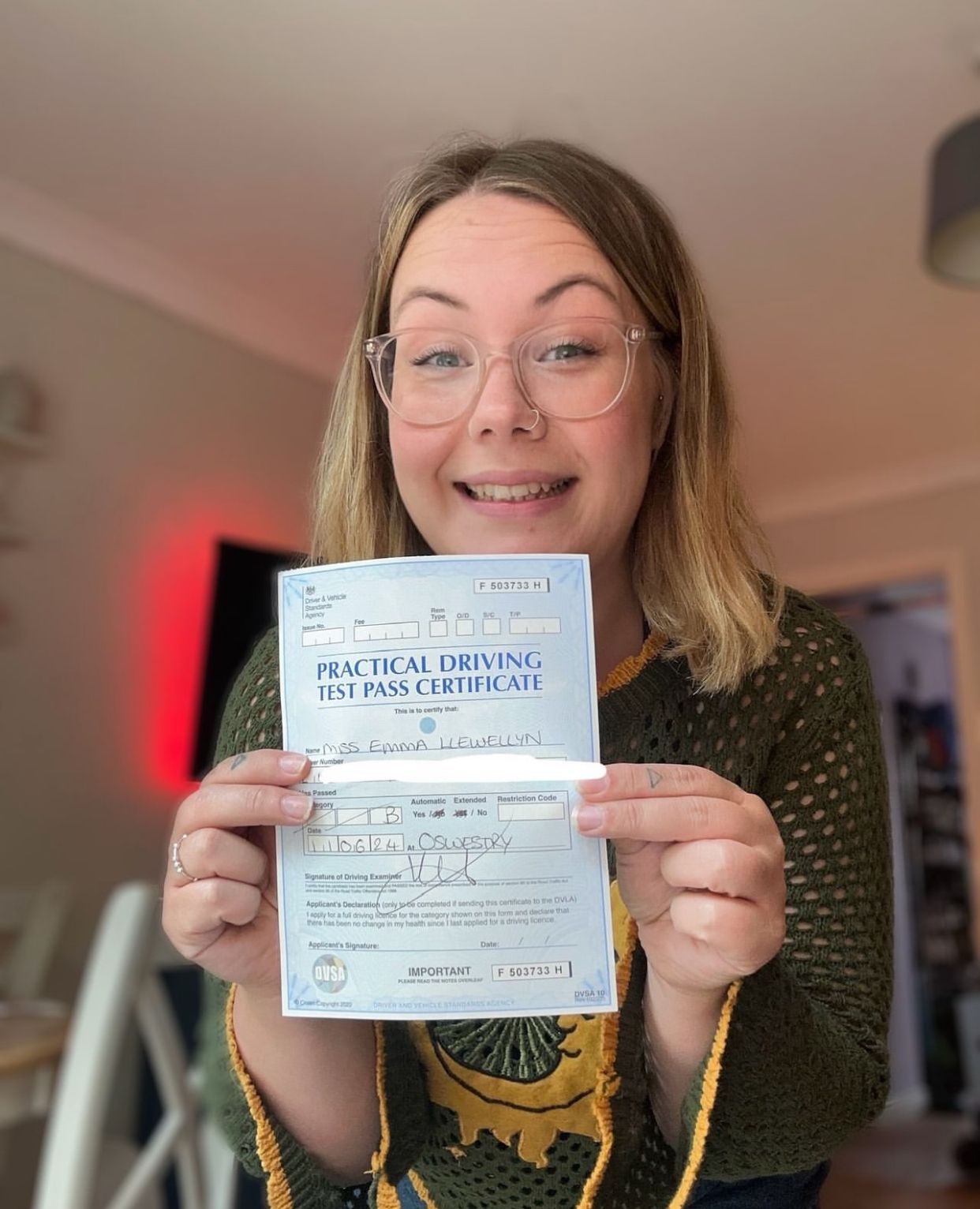
15 Gifts For The Driving Licence UK Lover In Your Life
A Complete Guide to Obtaining and Managing Your Driving Licence in the United Kingdom
Browsing the procedure of acquiring a driving licence in the United Kingdom represents a significant milestone for many locals and newcomers alike. Whether you are a first-time driver starting your knowing journey, somebody who has actually just recently transferred to the UK and needs to exchange your existing licence, or maybe you are looking to renew a licence that is approaching its expiration date, comprehending the different requirements and treatments can conserve both time and disappointment. buy uk driving licence strolls you through everything you require to understand about UK driving licences, from the initial application process to the day you finally get your complete licence and beyond.
Understanding the Types of UK Driving Licences
The DVLA (Driver and Vehicle Licensing Agency) concerns different classifications of driving licences depending on the type of lorry you wish to drive and your specific circumstances. The most common classification for vehicle chauffeurs is Category B, which allows you to drive an automobile with a maximum authorised mass of as much as 3,500 kgs and having up to 8 passenger seats. For motorcycle enthusiasts, the journey generally starts with a Category AM licence for mopeds, progressing through A1 and A2 before reaching the unlimited Category A for bigger bikes.
Provisionary licences form the vital very first step for anybody finding out to drive. This file authorises people to drive on public roads while accompanied by a qualified driver who is at least 21 years of ages and has actually held a full driving licence for a minimum of 3 years. Provisional licence holders should show L-plates (or D-plates in Wales) on the front and back of the vehicle at all times during driving practice.
For those relocating to the UK from abroad, the circumstance varies depending on your native land. Drivers from EU and European Economic Area (EEA) countries can exchange their licences without taking any tests, while those from specific designated nations might require to pass both theory and useful driving tests. New Zealand, Australia, Canada, Japan, South Africa, and a number of other countries fall into this latter classification, requiring a more thorough conversion process.
The Step-by-Step Process to Getting Your Full Licence
The journey from student to fully qualified driver follows a structured course that has been designed to make sure road security while giving new motorists adequate preparation. Comprehending this sequence assists manage expectations and permits appropriate planning of both time and financial resources.
The initial step includes looking for your provisional licence, which can be completed online through the DVLA site or by completing the D1 application form offered at post workplaces. You should be at least 15 years and 9 months old to apply, though you can not actually drive on public roads up until you reach 16. The application needs a legitimate UK passport or other appropriate identity files, proof of home, and a photo that meets particular standards. The current fee for an online provisionary licence application stands at ₤ 43, while paper applications cost ₤ 43 for those who prefer the traditional approach.
Once your provisionary licence gets here, the real learning begins. A lot of learners choose to employ the help of approved driving instructors (ADIs), though learning with pals or relative who satisfy the supervisory requirements remains a popular and economical choice. Professional guideline typically costs in between ₤ 25 and ₤ 40 per hour depending upon location and instructor experience, with most students requiring in between 20 and 50 hours of guideline before reaching test-ready requirement.
The theory test consists of two parts that need to be taken together: multiple-choice questions and a hazard understanding test. The multiple-choice area tests your knowledge of the Highway Code, roadway security, and car handling, while the threat understanding test assesses your capability to recognise and respond to establishing dangers on the road. The theory test expenses ₤ 23 and need to be passed in the past booking your practical driving test. Preparation materials, consisting of main DVSA theory test apps and books, are commonly available and highly advised for extensive preparation.
After passing the theory test, students can then focus completely on developing their practical driving abilities. The useful driving test itself costs ₤ 62 on weekdays and ₤ 75 on evenings, weekends, and bank vacations. The test lasts roughly 40 minutes and includes a vision check, security questions, driving capability assessment, and an independent driving section where candidates must follow directions or traffic indications for around 20 minutes of the test.
Driving Test Cost Breakdown
Weekday
Evenings/Weekends/Bank Holidays
Cars and truck driving test (first effort)
₤ 62
₤ 75
Cars and truck driving test (re-test)
₤ 62
₤ 75
Motorbike module 1 test
₤ 15.50
₤ 15.50
Motorbike module 2 test
₤ 75
₤ 90
LGV dry run
₤ 115
₤ 130
PCV dry run
₤ 115
₤ 130
Maintaining and Updating Your Driving Licence
Holding a driving licence in the UK includes continuous duties that extend well beyond the initial acquisition. Understanding these responsibilities ensures you stay legal on the roadways and prevent unnecessary penalties or issues.
Driving licences in the UK remain valid till the holder reaches the age of 70, after which renewal is needed every 3 years. The DVLA sends out suggestion letters around one month before your 70th birthday, though you can likewise arrange early renewal if chosen. The procedure is simple and can typically be finished online, needing confirmation of your identity and a statement that you continue to meet the medical requirements for driving.
Those with particular medical conditions must notify the DVLA, as some conditions can affect physical fitness to drive. Conditions that need statement include but are not restricted to epilepsy, diabetes requiring insulin treatment, heart disease, sleep disorders, and visual problems. Failure to declare relevant medical conditions can result in a fine of approximately ₤ 1,000 and may invalidate your insurance coverage. The DVLA releases thorough assistance on which conditions require alert, and when in doubt, consultation with your GP or the DVLA's medical group is a good idea.
Photocard licences require更新更新更新更新 every 10 years, with the DVLA instantly sending reminder letters when renewal is due. The existing charge for restoring a photocard licence is ₤ 14 if done by post or ₤ 17 if completed at a Post Office branch that offers the DVLA service. It is necessary to keep in mind that your driving privileges stay valid even after the photocard expires, but you must renew to maintain legal driving status.
Modifications of name, address, or other personal information need to be notified to the DVLA within a specific timeframe. Address modifications can be finished online totally free of charge, while name modifications need finishing a D1 type and supplying supporting paperwork such as a marriage certificate or deed poll. These updates ensure your driving licence constantly reflects your existing information, which proves important for whatever from insurance functions to potential roadside checks by cops.
Common Questions About UK Driving Licences
The length of time does the whole process from provisional licence to complete licence generally take?
The timeline varies significantly depending on private situations, accessibility of driving instructors, and how rapidly each prospect advances through the required stages. On average, the complete process from using for a provisionary licence to passing the useful driving test takes in between six months and one year. Some prospects achieve this much faster with extensive research study and routine practice, while others might take substantially longer due to scheduling restraints, test cancellations, or the need for extra lessons.
Can I drive in the UK with an international driving authorization?
International driving licenses (IDPs) are identified in the UK and permit visitors to drive for as much as 12 months. However, if you become a UK resident, you need to exchange your foreign licence for a UK variation within a defined period, usually one year of taking up typical home. IDPs are not a replacement for a UK licence and can not be used to extend driving rights beyond the 12-month period for new homeowners.
What takes place if I fail my driving test?
A stopped working driving test does not represent an irreversible setback, and candidates are complimentary to book another test whenever they feel sufficiently prepared. The earliest readily available re-test date depends on current need in your area, which can range from a few weeks to numerous months throughout peak durations. Many driving trainers recommend additional lessons following a failed attempt to address any specific weak points recognized by the inspector. There is no limitation on how lots of times you can attempt the dry run, though taking extreme efforts without adequate preparation can become costly.
Do I require to inform my insurer when I pass my driving test?
Definitely. Insurance coverage premiums for provisional licence holders vary significantly from those for totally qualified chauffeurs, and passing your test immediately changes your insurance status. Failure to alert your insurance provider of this modification might invalidate your policy, leaving you without coverage in case of an accident. Numerous insurance coverage companies use considerable discount rates to newly certified motorists who total pass-plus plans authorized by the DVSA, providing both more secure driving advantages and minimized insurance expenses.
Final Thoughts on Your Driving Journey
Getting a UK driving licence represents significantly more than merely passing 2 tests; it marks the acquisition of a life skill that offers self-reliance, benefit, and economic chance. The process, while needing patience, persistence, and financial investment, ultimately equips drivers with the knowledge and capabilities required for a lifetime of safe road use. Whether navigating busy city streets, cruising through countryside lanes, or embarking on longer freeway journeys, the abilities established throughout the knowing procedure serve as a foundation for positive and responsible driving throughout your years on the roadway.